
Selecting the right CPAP machines is a life-changing decision for thousands of Australians living with Obstructive Sleep Apnea (OSA). Whether you are newly diagnosed or looking to upgrade your current device, navigating the landscape of modern sleep technology can feel overwhelming.
In this comprehensive guide, we explore everything from the technical mechanics of Continuous Positive Airway Pressure (CPAP) to the practicalities of buying CPAP machines online in Australia. Our goal is to provide you with the clinical depth and consumer insights needed to achieve restorative sleep and long-term health.
What are CPAP Machines and How Do They Work?
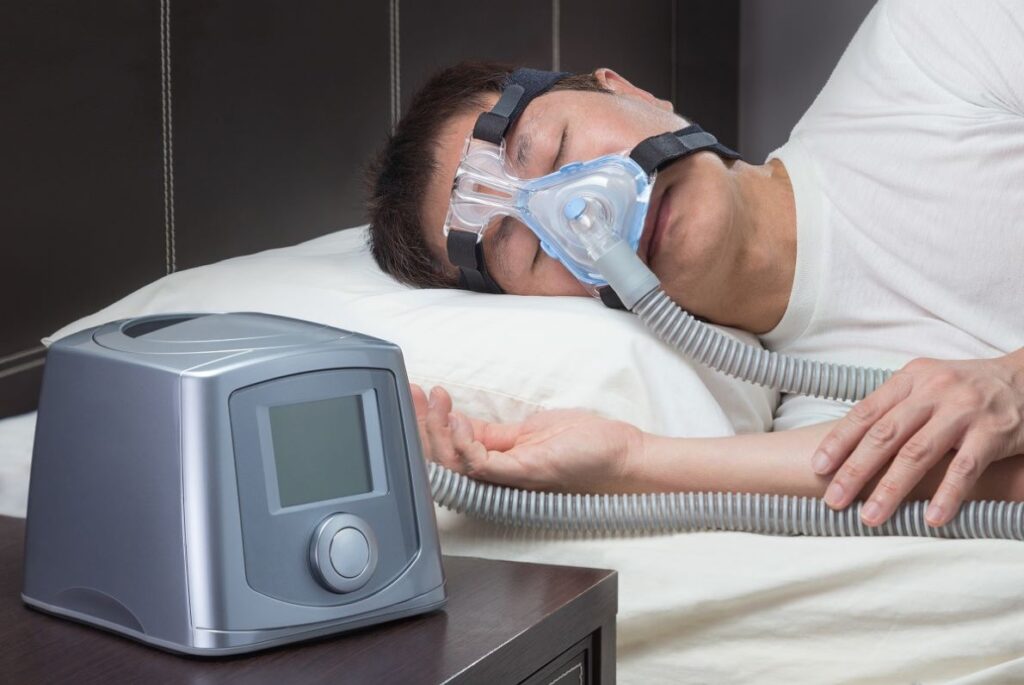
At its core, a CPAP machine is a medical device designed to keep your upper airway open during sleep. It achieves this by delivering a steady, regulated stream of pressurized air through a mask, preventing the soft tissues in the throat from collapsing—the primary cause of apnea events.
The Mechanics of Airway Patency
When you sleep, your muscle tone naturally decreases. For those with OSA, this relaxation causes the airway to narrow or close entirely. The CPAP machine acts as a “pneumatic splint,” using air pressure to hold the airway open.
Modern Components of a CPAP System
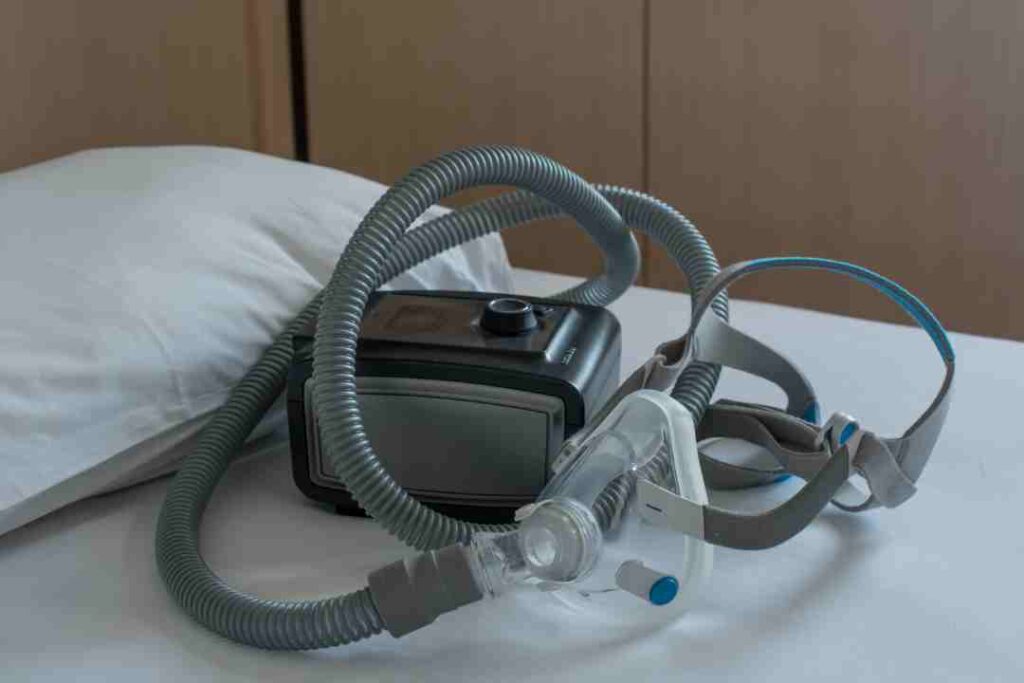
A standard setup involves three primary components:
- The Device: The motor that pulls in room air, filters it, and pressurizes it.
- The Humidifier: Most Australian models include an integrated heated humidifier to prevent dryness in the nose and throat.
- The Interface (Mask): The connection point between you and the machine, available in nasal, full-face, or pillow styles.
Types of CPAP Machines Available in Australia
Understanding the nuances between different device types is essential for therapy compliance and comfort.
1. Fixed-Pressure CPAP
These devices deliver one consistent pressure level throughout the night, determined by your sleep physician during a titration study.
2. Auto-Adjusting (APAP) Machines
Auto-adjusting machines use sophisticated algorithms to sense changes in your breathing. If you roll onto your back or enter REM sleep—times when apnea is often worse—the machine increases pressure. When the airway is stable, it lowers the pressure.
3. Bi-Level (BiPAP) Machines
BiPAP devices offer two distinct pressures: a higher pressure for inhalation (IPAP) and a lower pressure for exhalation (EPAP). These are typically reserved for patients who require high pressure settings or have specific lung conditions.
4. Travel CPAP Machines
Compact and lightweight, these are designed for Australians on the move. While portable, they often sacrifice integrated humidification for moisture-exchange filters.
Benefits of Consistent CPAP Therapy
Using CPAP machines correctly leads to systemic health improvements that go far beyond just “feeling less tired.”
| Benefit Category | Long-Term Health Outcome |
| Cardiovascular | Reduced risk of hypertension, stroke, and heart failure. |
| Cognitive | Improved focus, memory retention, and mental clarity. |
| Metabolic | Better blood sugar regulation and insulin sensitivity. |
| Lifestyle | Elimination of loud snoring and improved partner sleep quality. |
Buying CPAP Machines Online: A Step-by-Step Framework
Purchasing your equipment online in Australia can save you hundreds of dollars, but it requires a structured approach to ensure you get the right clinical setup.
Step 1: Obtain a Valid Prescription
In Australia, you must have a prescription from a GP or Sleep Specialist to purchase a CPAP machine. This ensures the pressure settings are tailored to your specific physiological needs.
Step 2: Compare Top Brands
Focus on brands with strong local support and TGA (Therapeutic Goods Administration) approval. Key players include:
- ResMed: An Australian-born global leader known for the AirSense series.
- Fisher & Paykel: Renowned for world-class humidification technology.
- Philips Respironics: Providers of the DreamStation line.
Step 3: Evaluate Data Capabilities
Modern machines feature Wi-Fi or Bluetooth connectivity. This allows your clinician to monitor your “AHI” (Apnea-Hypopnea Index) remotely and make adjustments without you needing to visit a clinic.
Step 4: Check Warranty and Australian Support
Ensure the online retailer provides an Australian warranty. If your machine requires servicing, sending it overseas is costly and leaves you without therapy for weeks.
Best Practices for CPAP Success
Success with CPAP therapy is often determined in the first 30 days. Follow these expert tips to acclimitise quickly:
- The “Couch” Method: Wear your mask while watching TV or reading during the day. This desensitizes your face to the sensation of the mask without the pressure of trying to fall asleep.
- Humidity Management: Australia’s climate varies wildly. Use a heated tube to prevent “rainout” (condensation buildup) if you live in cooler or more humid regions.
- Consistent Cleaning: Wash your mask cushion daily with mild soap to remove skin oils, which can degrade the silicone and cause leaks.
- Mask Fit Testing: A mask that is too tight causes sores; one that is too loose causes leaks. Aim for a “snug but comfortable” fit.
Common Mistakes to Avoid
- Giving Up Too Early: It can take 2–4 weeks for your brain to accept the sensation of pressurized air. Stick with it.
- Ignoring Mouth Leaks: If you use a nasal mask but breathe through your mouth, the air escapes, and therapy becomes ineffective. You may need a chin strap or a full-face mask.
- Using Tap Water: Always use distilled or demineralized water in your humidifier to prevent mineral buildup on the heating plate.
- Buying Second-Hand Without Sanitization: Used machines can harbor pathogens or have worn-out motors. Always buy from reputable sources.
Frequently Asked Questions (FAQ)
How long do CPAP machines usually last?
Most high-quality CPAP machines have a lifespan of approximately 5 to 7 years. Most manufacturers provide a 2 to 3-year warranty, which can often be extended.
Can I take my CPAP machine on an airplane?
Yes. CPAP machines are medical devices and are protected under disability acts. They do not count toward your carry-on luggage limit on most Australian airlines, including Qantas and Virgin Australia.
Why do I wake up with a dry mouth?
This is usually caused by air escaping through your mouth (mouth leaking) or the humidifier settings being too low. Increasing your humidity level or switching to a full-face mask typically resolves this.
Do I need a humidifier with my CPAP?
While not strictly mandatory for therapy, humidification is highly recommended in Australia to prevent nasal congestion and dryness, especially during winter or in air-conditioned environments.
How often should I replace my CPAP mask?
For hygiene and seal integrity, cushions should be replaced every 3–6 months, while the complete mask system and headgear should be replaced annually.
Internal & External Research Suggestions
Internal Linking Strategy
- Anchor Text: Choosing the best CPAP mask (Link to mask guide)
- Anchor Text: Sleep apnea symptoms and diagnosis (Link to symptoms article)
- Anchor Text: Cleaning your CPAP equipment (Link to maintenance guide)
- Anchor Text: Travel CPAP solutions (Link to travel-specific category)
Authoritative External References
- Sleep Health Foundation (Australia): For clinical definitions and patient fact sheets.
- Therapeutic Goods Administration (TGA): For information on medical device regulation and safety alerts in Australia.
Conclusion: Reclaiming Your Vitality
Investing in CPAP machines is an investment in your long-term vitality. By choosing the right device, ensuring a proper mask fit, and purchasing from reputable Australian suppliers, you can effectively manage sleep apnea and reduce the risk of serious health complications.
Modern technology has made therapy quieter, more comfortable, and more data-driven than ever before. Don’t let sleep apnea hold you back—explore the latest range of equipment and take the first step toward a more energized life.