
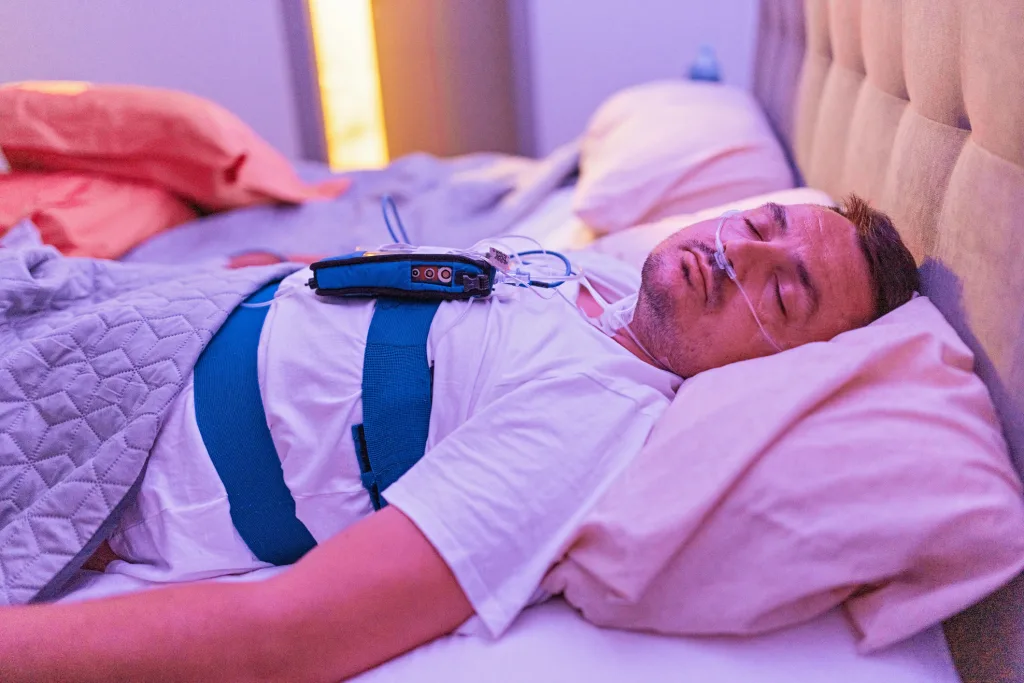
This guide breaks down the real-world price ranges, the common extras that surprise people, and how they can reduce what they pay.
What does a sleep apnoea test usually cost in Australia?
Most Australians will see prices fall into a few clear bands: low-cost home studies, mid-range private home testing, and higher-cost in-lab studies. The biggest driver is whether the test is arranged through a public pathway, a private clinic, or a bundled programme that includes equipment and reporting.
As a rough guide, home sleep tests are usually cheaper than overnight lab studies, but may not suit every patient.
How much does a home sleep apnoea test cost?
Sleep apnea test cost for a home study typically ranges from £150 to £600 out of pocket in private settings, though prices vary widely depending on the provider and what’s included. Some patients may be eligible for bulk-billed or low-gap home studies when referral pathways align with Medicare criteria.
Home testing is often priced as a package that includes device hire and a clinician report. Lower-cost options may exclude important components, such as a specialist review, which can increase total costs later.
How much does an in-lab sleep study cost?
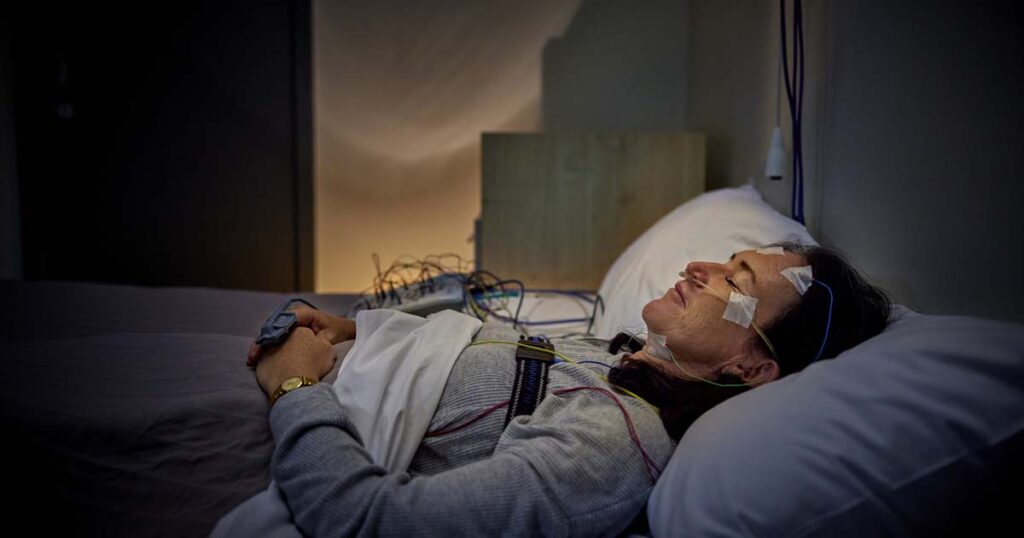
An in-lab overnight sleep study in Australia often costs around £800 to £3,000+, depending on whether it is public or private and how complex the study is. Private sleep laboratories typically charge more because they include overnight staff, more sensors, and extended monitoring.
For some patients, an in-lab study is recommended when home testing may miss other sleep disorders or when medical history suggests a more detailed assessment is needed.
Can Medicare reduce the cost of a sleep apnoea test?
Medicare may reduce the cost, but it does not guarantee a low out-of-pocket fee for everyone. Eligibility depends on the type of test, the referral, the provider, and whether the clinic bulk bills or charges a gap.
Even when Medicare contributes, patients can still face costs for appointments, reporting, or follow-up testing. The most reliable way to estimate the final amount is for the clinic to confirm the expected Medicare rebate and the remaining gap in writing.
Will private health insurance cover a sleep apnoea test?
Private health insurance may help, especially for in-hospital or in-lab studies, but cover depends on the policy and waiting periods. Extras cover usually does not pay for everything, and some policies treat sleep studies under hospital benefits rather than extras.
Patients often need to check three things: whether the provider is recognised, whether the study is classified as inpatient or outpatient, and whether there are excesses or co-payments that apply.
What extra costs should Australians expect on top of the test?
The test itself is rarely the only cost, because diagnosis and treatment usually involve additional appointments and equipment. Common add-ons include GP visits, specialist consultations, report interpretation, and follow-up reviews.
If treatment is recommended, ongoing costs can include CPAP trials, mask fittings, and device purchases. These can quickly exceed the test cost, so it helps to ask for a full pathway estimate rather than a single test price.
Are specialist appointments included in the quoted price?
Often they are not, especially in private clinics. A home test advertised at a low price may only include the device and an automated or basic report, while the specialist review is billed separately.
Australians should ask whether the quote includes: clinician setup support, scoring and interpretation, a formal diagnostic report, and a consultation to explain results. If any of these are excluded, the final out-of-pocket cost may rise.
Why do prices vary so much between providers?
Prices vary because sleep studies are not all the same product. Some are simple screening tests, while others are comprehensive studies with more channels of data and more clinician time.
Location, staffing, accreditation, and whether the clinic bundles follow-up also change pricing. In many cases, the cheapest option is cheaper because something has been removed from the service, not because the same service is being offered for less.
Is a cheaper home test always “good enough”?
Not always. Many people can be accurately assessed with a home study, but some need an in-lab test due to other medical risks, complex symptoms, or suspected additional sleep disorders.
If their symptoms are severe, if they have significant heart or lung disease, or if there is concern about other sleep conditions, a clinician may recommend a lab study despite the higher cost. The best value is the test that answers the clinical question the first time. You may like to visit https://www.nsw.gov.au/departments-and-agencies/wslhd/services/heart-and-lung to get more about heart and lung care in Western Sydney.
How can Australians lower their out-of-pocket sleep apnoea testing costs?
They can usually reduce costs by comparing pathways, not just providers. Starting with a GP referral, asking about bulk-billed options, and checking Medicare eligibility can make a major difference.
They can also request an itemised quote that includes consultations and follow-ups, then compare like-for-like services. If private health insurance is involved, confirming benefits before booking helps avoid unexpected bills. Click here to get more about sleep study Adelaide cost: public vs private options explained.
What questions should they ask before booking a sleep apnoea test?
They should ask questions that reveal the full cost and whether the test matches their needs. A quick phone call often prevents surprise gaps later.
Useful questions include:
- What is the total out-of-pocket cost, including consultations and the final report?
- Is Medicare billed, and if so, what rebate is expected?
- Is the test home-based or in-lab, and what conditions might require a different test?
- Who interprets the results, and is a specialist review included?
- What happens next if sleep apnoea is confirmed, and what might treatment cost?
What should Australians budget for overall, from test to treatment?
A realistic budget includes both diagnosis and the first phase of management. Many Australians will spend a few hundred pounds for a home test pathway, while others may face £1,000+ when private lab testing and specialist care are needed.
If CPAP is recommended, the device and mask can add a substantial one-off cost, plus ongoing replacement parts over time. The most cost-effective approach is usually the one that confirms the diagnosis clearly, supports correct therapy selection, and avoids repeating tests.
FAQs (Frequently Asked Questions)
What is the typical cost range for sleep apnoea testing in Australia?
Sleep apnoea testing in Australia can range from £0 to over £3,000, depending on the type of test, location, and whether Medicare or private health insurance covers some costs. Most people pay between a fully bulk-billed option and a few hundred pounds out of pocket for a home sleep study.
How much does a home sleep apnoea test usually cost in Australia?
Home sleep apnoea tests typically cost around £150 to £600 out of pocket in private settings. Some patients may access bulk-billed or low-gap home studies via Medicare if eligibility criteria are met. Pricing often includes device hire and clinician reports, but cheaper options may exclude specialist reviews, potentially increasing later costs.
What are the costs associated with an in-lab overnight sleep study?
In-lab overnight sleep studies generally cost between £800 and over £3,000, varying based on whether the study is public or private and its complexity. Private labs charge more due to overnight staffing and detailed monitoring. These studies are recommended when home tests might miss other disorders or when detailed assessment is necessary.
Can Medicare or private health insurance reduce the out-of-pocket expenses for sleep apnoea testing?
Medicare can reduce costs depending on test type, referral pathway, provider, and whether bulk billing applies; however, it doesn’t guarantee low fees for everyone. Private health insurance may assist mainly with in-hospital or in-lab studies but coverage depends on policy specifics, waiting periods, and whether the study is classified as inpatient or outpatient.
What additional costs should Australians expect beyond the initial sleep apnoea test?
Beyond the test itself, additional costs often include GP visits, specialist consultations, report interpretation, follow-up reviews, CPAP trials, mask fittings, and device purchases. These extras can quickly surpass the initial test cost. It’s advisable to request a full pathway estimate rather than just a single test price to understand total expenses.
How can Australians minimise their out-of-pocket expenses for sleep apnoea testing?
Australians can lower costs by comparing different referral pathways rather than just providers. Starting with a GP referral, enquiring about bulk-billed options, checking Medicare eligibility, obtaining itemised quotes including consultations and follow-ups, and confirming private health insurance benefits before booking can help avoid unexpected expenses.