
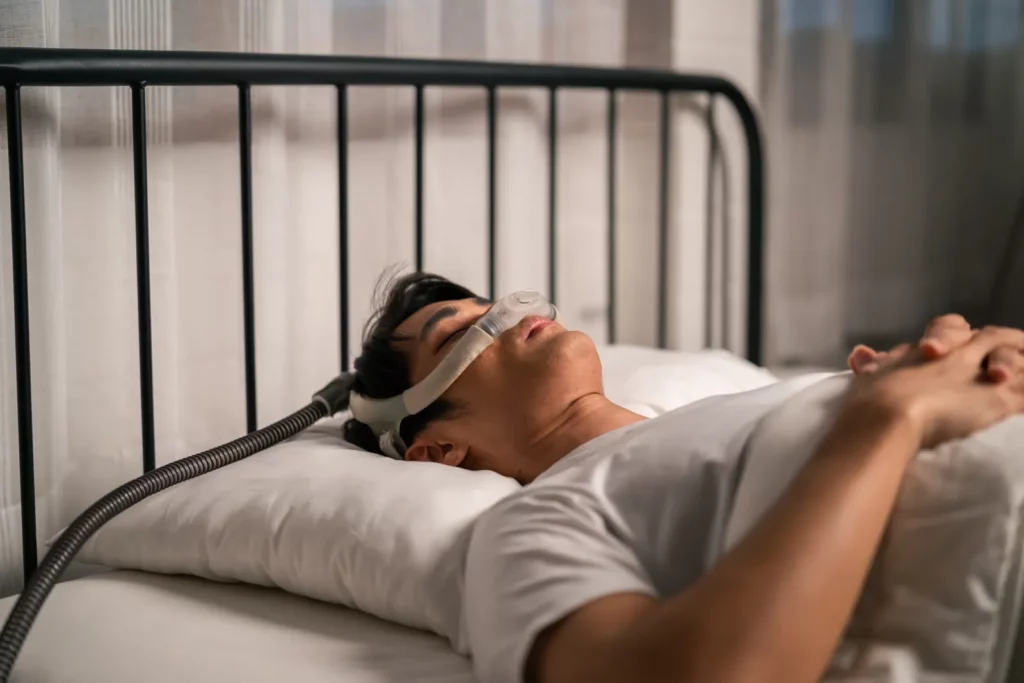
This guide explains typical costs, what drives the price, and how public and private pathways usually work in South Australia.
What does a sleep study usually cost in Adelaide?
In Adelaide, they will typically see three broad price ranges. A public hospital study may be low-cost or free for eligible patients, but waits can be long. A Medicare-subsidised private study can reduce the out-of-pocket amount, depending on the provider and their level of cover. A fully private, no-referral or rapid-access option is usually the most expensive.
As a rough guide, they might pay anywhere from £0 through to well over £1,500, depending on the type of test and funding.
What is the difference between public and private sleep study pathways?
When considering sleep study Adelaide cost, public pathways usually begin with a GP referral to a public outpatient clinic or hospital service, followed by triage and placement on a wait list. Costs are often minimal, but longer waiting times for testing and follow-up can be the trade-off.
In contrast, private pathways typically offer faster access and more flexibility in appointment times and locations. A GP referral may still be required to access Medicare benefits, and out-of-pocket costs can vary significantly between providers.
Which types of sleep studies affect the price the most?
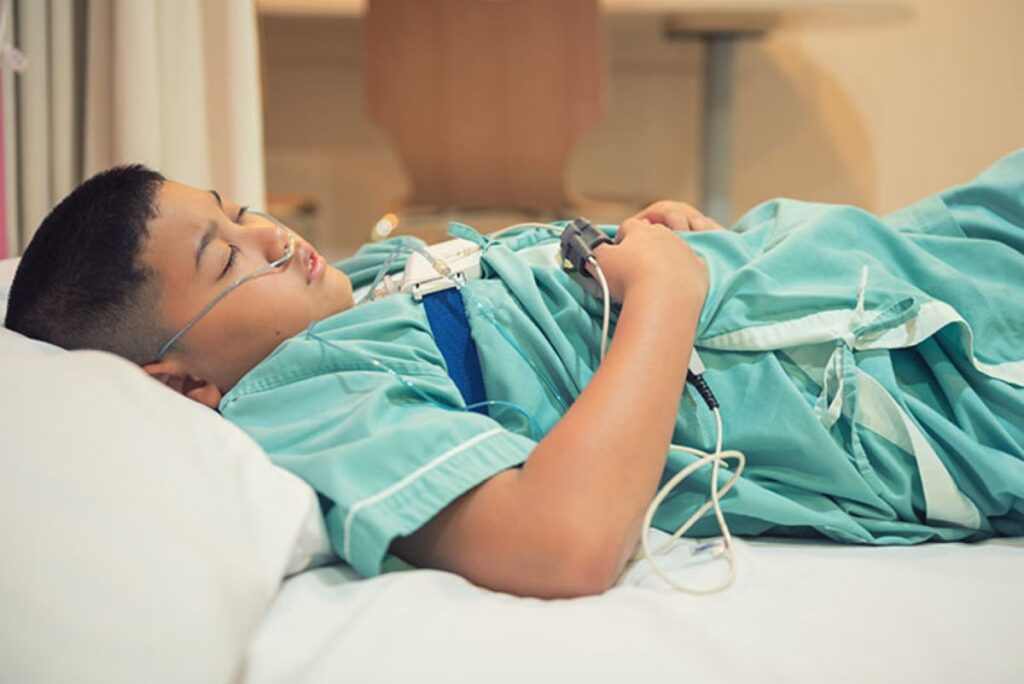
The test type is one of the biggest cost drivers. A home sleep apnoea test (often focused on breathing and oxygen levels) is usually cheaper than a full in-lab polysomnography, which tracks more signals and is supervised overnight.
They may be offered:
- Home sleep test (HSAT): Usually lower cost, suited to straightforward suspected obstructive sleep apnoea cases.
- In-lab polysomnography (PSG): Higher cost, used for complex cases, safety concerns, or broader diagnostic needs.
- Split-night or CPAP titration studies: Often priced higher due to additional monitoring and equipment.
How much can they expect to pay in the public system?
If they are eligible for public hospital care, the sleep study itself may be subsidised heavily or provided at no direct cost. The main “cost” is often time, including delays to the initial specialist appointment, the study date, and follow-up.
Public services also prioritise based on clinical urgency. Someone with severe symptoms or safety risks may be seen sooner than someone with milder symptoms.
How much does a private sleep study cost in Adelaide?
Private costs depend on whether the provider bills Medicare, whether they have a GP referral, and how the clinic structures fees. In many cases, they will see an upfront fee and then a Medicare rebate, leaving an out-of-pocket gap. Some providers also bundle consults, equipment hire, and reporting, while others itemise everything.
As a practical expectation, a private home test is often the lower-cost private option, while a private in-lab study typically costs more due to staffing and facility overheads.
Can Medicare reduce the cost of a sleep study?
Medicare can reduce costs when the study is clinically indicated and billed under relevant Medicare items, usually requiring a referral pathway. The exact rebate and gap depend on the provider’s fees and billing approach.
They should ask the clinic two direct questions before booking: what item numbers will be billed, and what the expected out-of-pocket cost is after Medicare. A clear quote avoids surprise gaps.
Will private health insurance help with sleep study costs?
Private health insurance may help more with in-hospital studies than with home tests, but it depends on their policy, excess, waiting periods, and whether the facility is contracted with their fund. Even with cover, they may still pay an excess or co-payment, plus specialist fees that are not fully covered.
They should confirm three things with their insurer: whether the study is covered, what their out-of-pocket will be, and whether pre-approval is required.
What hidden or extra costs should they watch for?
The quoted “sleep study” price may not include everything needed to reach a diagnosis and treatment plan. Extra charges commonly include specialist consults, reporting fees, equipment hire, and follow-up appointments.
They should check whether the quote includes:
- Initial sleep physician or respiratory consult
- Study set-up and equipment return (for home testing)
- Scoring and formal report
- Follow-up appointment to explain results
- CPAP trial, mask fitting, or machine hire if needed
Is a home sleep test cheaper, and is it always suitable?
A home sleep test is usually cheaper and more convenient, especially for straightforward suspected obstructive sleep apnoea. It can also reduce time off work and avoid overnight facility costs.
It is not always suitable. If they have significant heart or lung disease, suspected central sleep apnoea, neurological conditions, or other complex sleep symptoms, an in-lab study may be recommended even if it costs more.
How long are wait times for public vs private sleep studies in Adelaide?
Public wait times can be significantly longer due to triage and service capacity. Private clinics often offer faster bookings, sometimes within days to weeks, depending on demand.
Speed matters when symptoms affect driving safety, workplace performance, or cardiovascular risk. If delays create safety concerns, they should tell their GP so the referral can reflect urgency.
What questions should they ask to get an accurate price upfront?
They can avoid most surprises by asking for a written quote and confirming exactly what is included. Providers vary widely, and marketing prices do not always reflect the final out-of-pocket cost.
Useful questions include:
- What is the total cost including consults, scoring, and report?
- What is the estimated Medicare rebate and expected gap?
- Are there additional fees for follow-up?
- Is CPAP titration included if needed, or billed separately?
- What happens if the test is inconclusive and needs repeating?
See Also : Sleep Apnea Test Cost: What Australians Should Expect to Pay
How can they lower the cost without delaying care too much?
They can often reduce costs by starting with a GP assessment and choosing the most appropriate test first time. A correctly selected home test can be a cost-effective pathway if clinically suitable, while complex cases may save money long-term by going straight to in-lab testing rather than repeating studies.
They can also compare providers on out-of-pocket costs, not just headline prices, and ask about payment plans where available.
What is the simplest way to choose between public and private?
If cost is the main constraint and symptoms are stable, the public pathway may be the best fit, accepting longer waits. If speed, flexibility, or continuity of care is the priority, private testing may be worth the higher out-of-pocket cost.
For most people, the best choice is the one that balances clinical need, safety, and timing. A GP can help match symptoms to the right test type, which is often the biggest factor in avoiding unnecessary expense.
FAQs (Frequently Asked Questions)
What is the typical cost range for a sleep study in Adelaide?
In Adelaide, sleep study costs vary widely depending on the pathway chosen. Public hospital studies may be low-cost or free for eligible patients but often have long wait times. Medicare-subsidised private studies reduce out-of-pocket expenses depending on coverage and provider, while fully private, rapid-access options are usually the most expensive. Costs can range from £0 to over £1,500 based on test type and funding.
How do public and private sleep study pathways differ in South Australia?
Public pathways generally require a GP referral to a public outpatient clinic or hospital service, followed by triage and waiting lists. They offer minimal costs but longer wait times. Private pathways tend to be faster with more flexible appointment options but may still require GP referrals for Medicare benefits, with out-of-pocket costs varying significantly between providers.
Which types of sleep studies influence the overall price the most?
The type of sleep study is a major cost factor. Home Sleep Apnoea Tests (HSAT) are usually cheaper and suited for straightforward obstructive sleep apnoea cases. In-lab polysomnography (PSG), which monitors more signals overnight under supervision, is more expensive and used for complex cases. Split-night or CPAP titration studies often carry higher prices due to additional monitoring and equipment.
Can Medicare help reduce the cost of a sleep study in Adelaide?
Yes, Medicare can subsidise sleep studies when clinically indicated and billed under relevant Medicare item numbers, usually requiring a GP referral. The rebate amount and out-of-pocket gap depend on provider fees and billing methods. Patients should ask clinics about billed item numbers and expected costs after Medicare rebates to avoid unexpected charges.
Will private health insurance cover sleep study expenses?
Private health insurance may assist more with in-hospital sleep studies than home tests, but coverage depends on individual policies, excesses, waiting periods, and whether the facility is contracted with the insurer. Even with coverage, patients might still face excess payments or co-payments plus specialist fees not fully covered. Confirming coverage details and pre-approval requirements with the insurer is essential.
What additional or hidden costs should patients consider when booking a sleep study?
Quoted prices for sleep studies may exclude important components such as initial specialist consultations, equipment hire and return (especially for home tests), scoring and formal reporting fees, follow-up appointments to discuss results, and potential CPAP trials or machine hire if needed. It’s crucial to confirm whether these services are included in the quote to avoid unexpected expenses.