
A sleep apnea home test is one of the most practical options for Australians who need a diagnosis but do not want to spend a night in a sleep clinic. You record your breathing in your own bed, send the device back, and receive a clinical report. For many Sydney patients it is an easy win, provided the test suits your situation. Here is what you need to know.
How the home test works
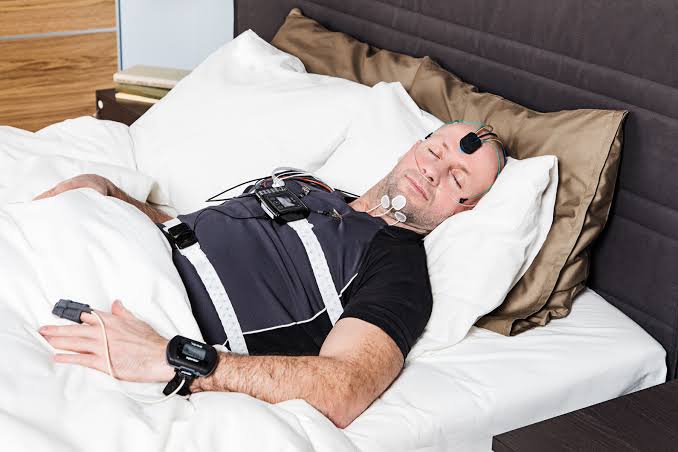
The kit usually includes a small recorder, a nasal airflow sensor, breathing effort belts and a finger oximeter. After a briefing, you apply the sensors yourself, sleep as normal, and return the device for scoring. The data focuses on breathing, airflow and oxygen levels, which are the core measures for obstructive sleep apnoea.
Who it suits
Home testing suits many adults with a strong suspicion of moderate to severe obstructive Sleep Apnea Home Test Australia. Your doctor will consider your symptoms, body weight, blood pressure and history. People with significant heart or lung disease, opioid use or possible central sleep apnoea often need an in-lab study instead.
The healthdirect guide to obstructive sleep apnoea notes that some people can use a home sleep study while others need a sleep lab, so the choice should always be clinical.
Avoiding a repeat test
The most common problem with home tests is poor sensor placement or a device that was not recording properly. Read the instructions twice, set up before bedtime, and check the device the next morning. Good skin preparation helps the sensors stick. If you are unsure, ask your provider for a quick video call to check your setup.
What the research says
The Flinders University diagnostic review describes how home sleep apnoea testing is now widely used in clinical sleep centres around the world. It also discusses limitations and the need to match each test to the right patient, which is a useful reminder before you order a kit online.
Results and next steps
A clinician scores the recording and produces a report with the breathing events per hour, oxygen data and a severity classification. If sleep apnoea is confirmed, treatment options include CPAP, oral appliances, lifestyle changes and sometimes surgery. If the result is unclear, your clinician may recommend a repeat or an in-lab study.
Costs and Medicare
Home tests are often cheaper than in-lab studies, and some providers bulk bill eligible patients. Ask for a total quote that includes scoring, the report and a consultation. Be cautious of very cheap online kits that do not include clinical review, because you still need a proper diagnosis and treatment plan.
Sydney considerations
For Sydney patients, a home test avoids travel across the city and the disruption of a night away from home.
You still need a local provider who can explain the report, coordinate with your GP and arrange treatment. Choose a service with clear reporting timelines and a named clinician.
Who should avoid a home test
A home test is not the right choice for everyone. People with significant heart failure, chronic lung disease, opioid use or suspected central sleep apnoea often need an in-lab study. If you have had previous complications with breathing during sleep, or if your clinician has concerns about other sleep disorders, ask whether an in-lab study would be safer.
Reviewing the report with your doctor
The report will include breathing events per hour, oxygen dips and a severity classification. Read it with your doctor rather than alone. They can explain what each number means for you and whether further testing is needed. A short conversation can prevent a lot of worry.
Staying on track with treatment
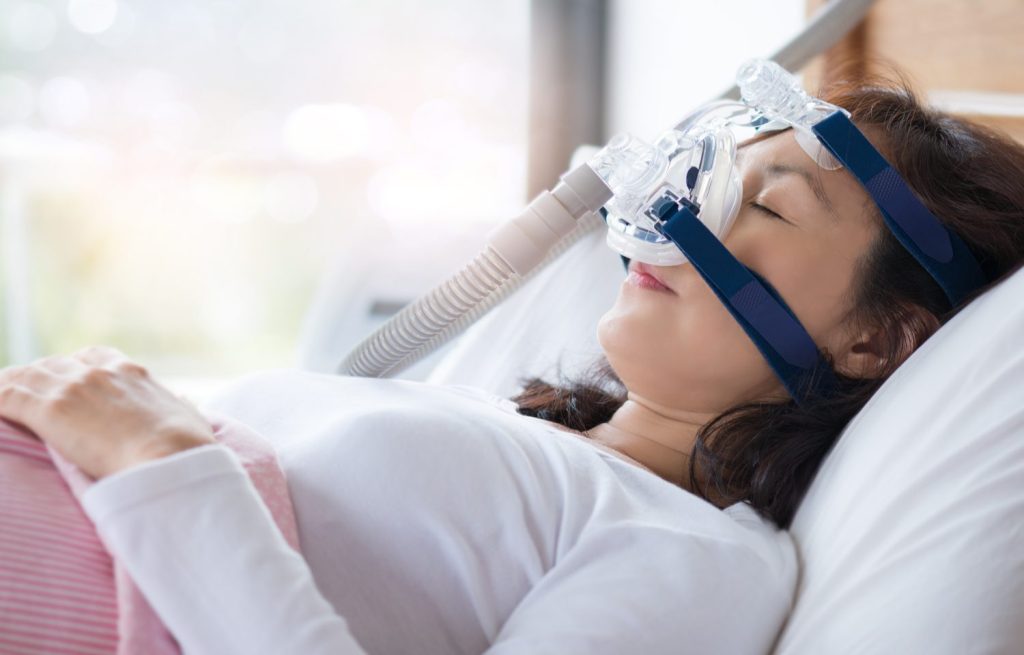
If sleep apnoea is confirmed, follow-up matters. Regular check-ins help confirm that treatment is working and that any equipment fits properly. Keep your appointments and tell your clinician if symptoms change. Good follow-up is one of the strongest predictors of long-term success.
Choosing a provider you can rely on
Look for accreditation, a named sleep physician, clear pricing and a reporting timeline. A reputable provider will explain the test, the report and the treatment options without pressure. If the process feels rushed or unclear, consider another provider.
The takeaway
A sleep apnea home test in Australia can be simple, accurate and convenient when it suits your clinical picture. Get the referral right, follow the setup carefully and make sure someone reviews your results with you. Home testing is a tool, and the right provider makes it work.