
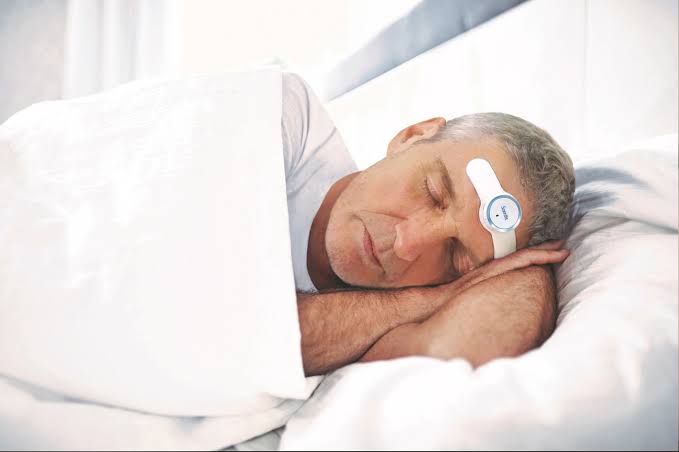
A sleep apnea home test kit sounds like a shortcut: order a box, wear it at night, get your answer. The reality is more nuanced. Kits can be a legitimate part of diagnosis in Australia, but they work best when a clinician has selected the test and reviews the result. This guide explains how kits work and how to avoid buying something that gives you numbers without meaning.
What a home test kit contains
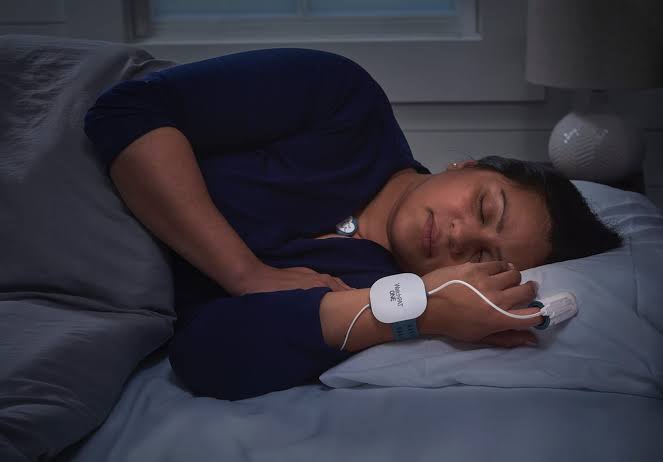
Most kits include a recorder, a nasal airflow sensor, chest and abdomen belts, a finger oximeter and instructions. Some include a short video or a phone support line. The recorder stores breathing and oxygen data during the night, and the data is then scored by a clinician. Kits are designed for obstructive sleep apnoea, not every sleep disorder.
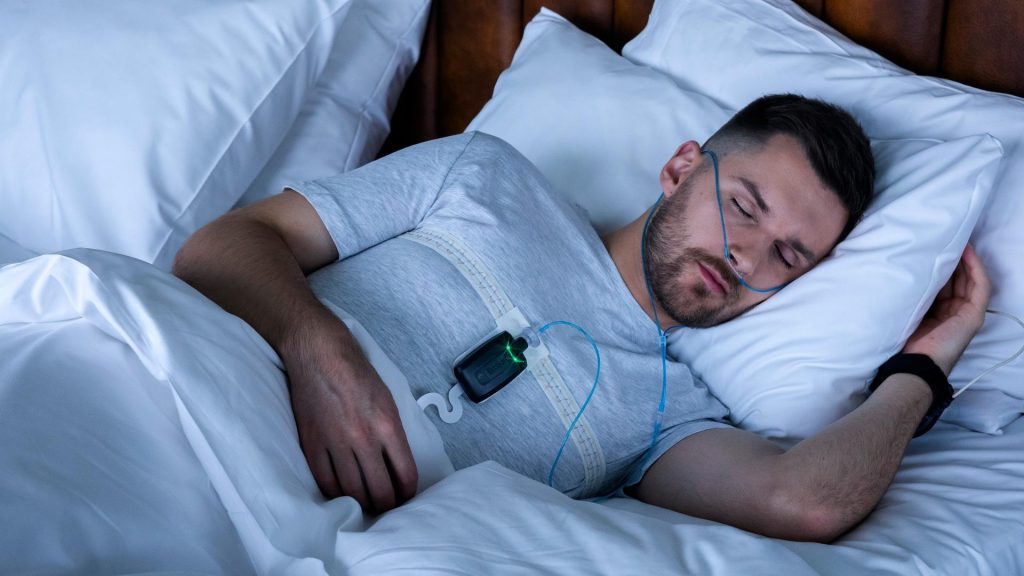
The clinical review matters
A kit without clinical oversight is just a device. Someone qualified needs to score the recording, interpret the report and discuss treatment. A proper provider will ask about your symptoms before sending a kit and will explain the result afterwards. If a company skips that step, walk away.
The healthdirect obstructive sleep apnoea guide explains that your doctor may recommend a sleep study, and that the study should be part of a wider assessment of your symptoms and health.
When a kit is appropriate
Kits are usually appropriate for adults with a strong suspicion of moderate to severe obstructive sleep apnoea and no major comorbidities. People with heart failure, significant lung disease, opioid use or suspected central Sleep Apnea Home Test Kit Australia often need an in-lab study. Your clinician should decide, not the marketing copy.
Common mistakes
The most common mistakes are poor sensor placement, forgetting to start the recording, and returning the device late. Each of these can produce unusable data and force a repeat test. Set up the kit early in the evening, follow the video or written steps, and check that the device is recording before you sleep.
What the research says
The Flinders University review of sleep disordered breathing diagnostics describes how home testing is widely used in clinical sleep centres and what future technologies may change. That context helps you see kits as one tool in a clinical pathway, not an end point.
Costs and bulk billing
Kits are often cheaper than in-lab studies, and some providers bulk bill eligible patients. Ask for an itemised price that includes the kit, scoring, the report and a consultation. Compare that total with a referral-based service in your area, so you know what the kit is really costing you.
Sydney options
If you live in Sydney, look for a provider who can deliver the kit, explain the setup, and review the report with your GP involved. A local clinic with a named sleep physician is often better than a national website with a faceless process.
Red flags in kit marketing
Be cautious of kits advertised with promises of a guaranteed diagnosis, instant results or no need for a doctor. A legitimate test always involves a clinician reviewing the recording and discussing the findings with you. Marketing that skips clinical review is a warning sign, even if the price looks appealing.
What to check on the box
Look for the name of the clinical provider, a clear description of what the kit measures, instructions in plain English and a return method. If the kit lacks any of these, ask the seller for details before you buy. A legitimate supplier will answer questions without hesitation.
Checking your result with a clinician
After you return the device, make sure a clinician reviews the data and writes a report. Ask how long that will take and who will explain the findings. If the result is unclear, your clinician may recommend a repeat or an inlab study. Never treat a kit result as final without medical input.
Storing and returning the kit
Keep the kit in a dry place and charge it as instructed. Set a reminder for the return date so you do not miss the courier. A late return can delay your report and sometimes incur a fee, so treat the return step as seriously as the overnight test.
The takeaway
A sleep apnea home test kit can be a good tool when a clinician chooses it and reviews the result. Avoid kits that skip clinical oversight, follow the setup carefully, and make sure the report leads to a plan. The kit is only as useful as the review that follows.